
Our K-6 ACE Classes
Navigation Menu
Click any class to get started!


Using Touch to Visualize Math with Japan’s Proven Traditional Calculating Tool

Writing Workshop
Guided Personal, Creative, and Academic Essay Writing Every Week

Speech, Debate, and Newsletter
Write for the ACE Newsletter and Master Research, Logic, and Verbal Communication

Mock Math Olympiad
Work Together with Acers to Solve Challenging, Multi-Step, Accelerated Math Problems
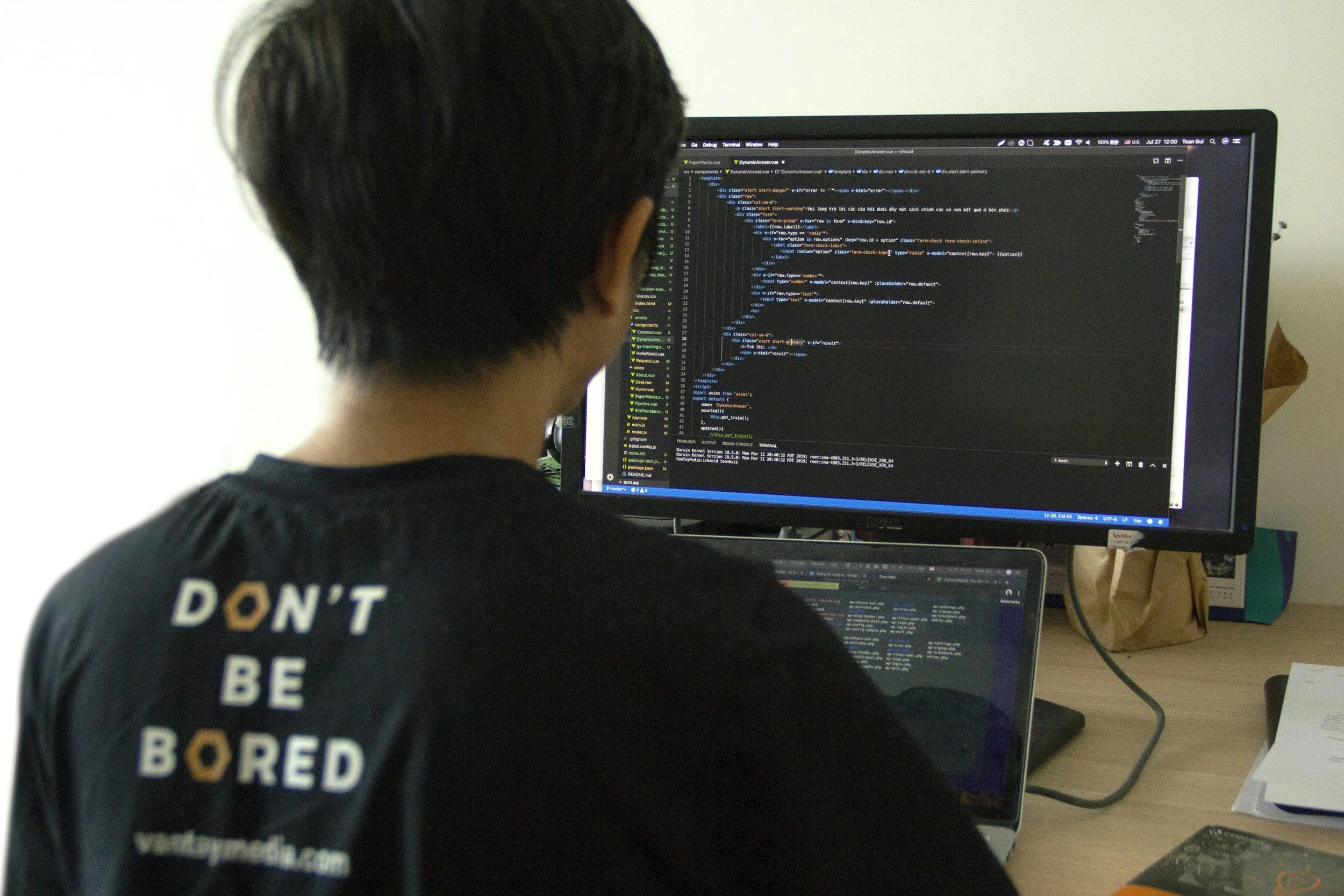
Coding Basics
Create Programs and Interactive Projects While Learning the Basics of Coding

ACE Art Studio
Experiment with Sculptures, Painting Skills, and Illustrative Projects — Create Art Every Week!
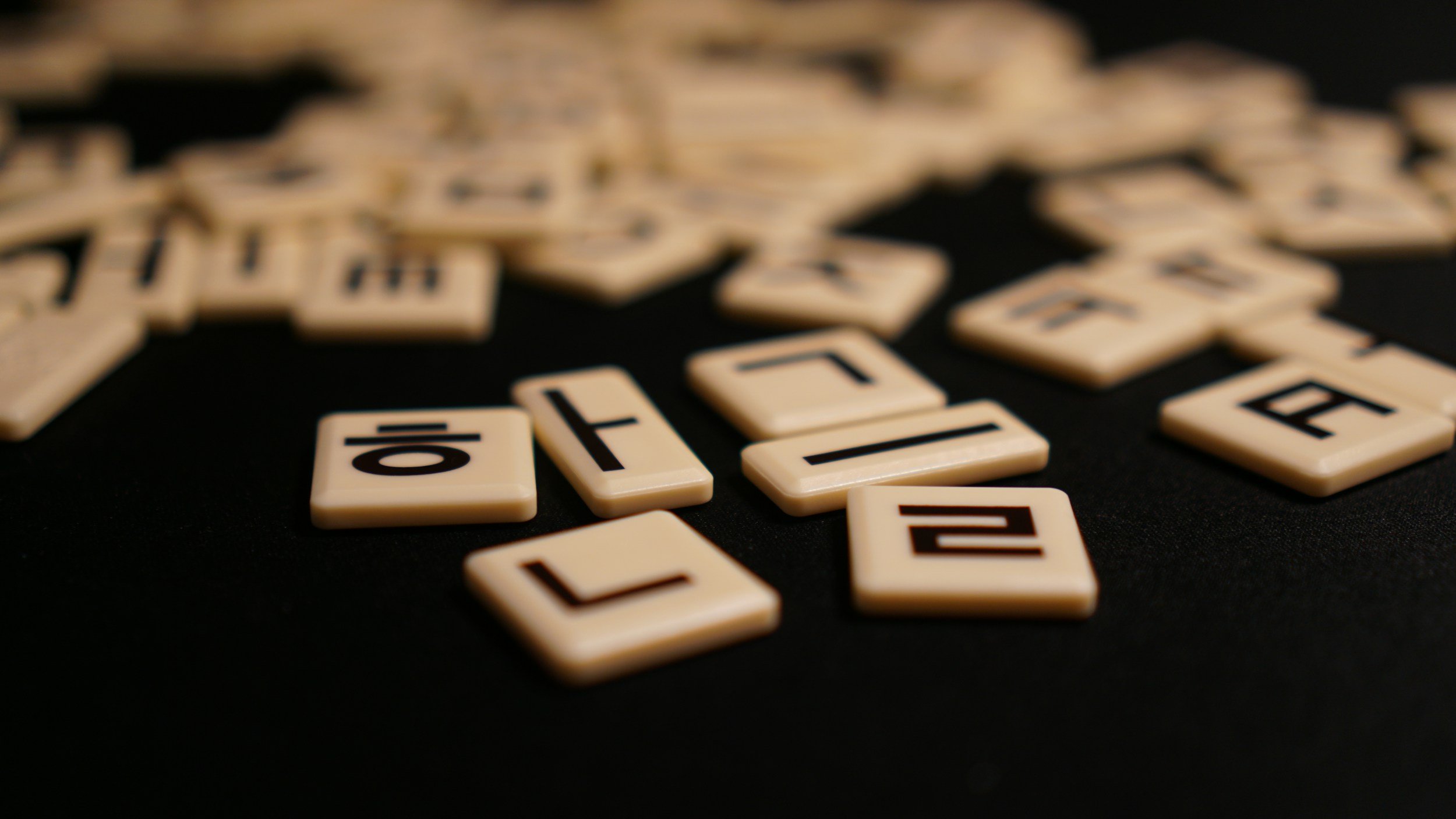
Korean Class
Practice Speaking and Writing Korean Every Week while Exploring Korean Culture

Chess Club
Dive Deeper Into One of The Most Disciplined and Complex Strategy Tests Ever Made

Abacus
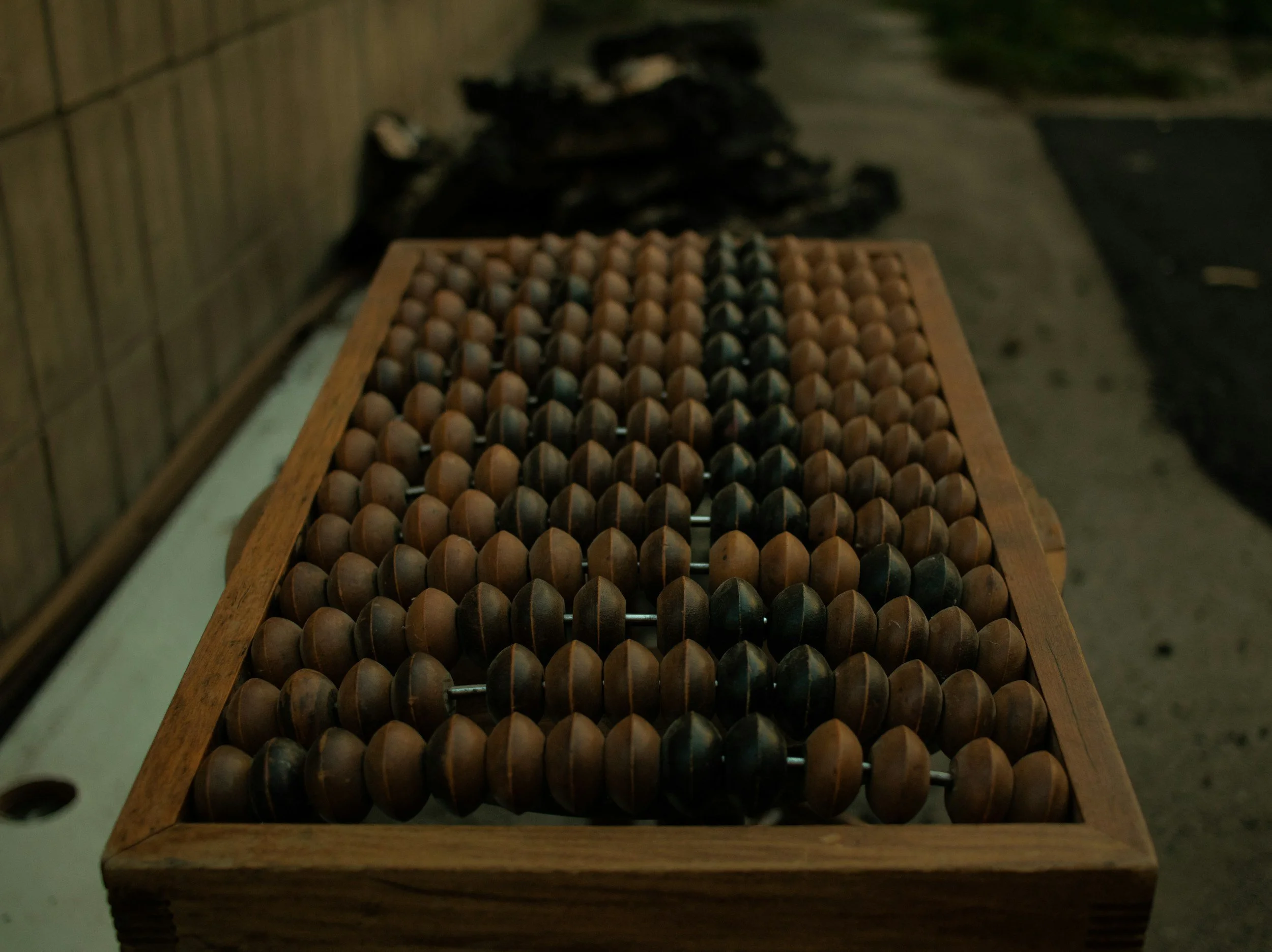
Build Life-Long Number sense with a Proven, Traditional Math Technique
Recommended Grades : Kindergarten - 6th Grade
Prerequisites and Materials : Abacus and Workbook Set (Available for Purchase at ACE)
Program Format
Our Abacus Program has been helping our youngest Acers visualize and grow confidence adding, subtracting, multiplying, and dividing numbers with their fingers and head since 2009. With math literacy today at an all-time low, the visual confidence that abacus can teach is invaluable.
Visualize Number Sense and Logic with a Proven Mental Calculator.
The abacus is a traditional counting tool with rows of beads that represent numbers. By moving the beads, students learn how numbers work and how to perform calculations step by step. As students practice, they begin to picture the abacus in their minds and solve problems mentally — a skill called Anzan.
That means that strong Abacus students can complete any sort of algebra or arithmetic calculation quickly, in their head, all on their own!
Make Long Division and Multiplication Understandable with Hands, Touch, and Beads.
Many elementary Acers struggle with Place Value, Times Tables, Long Division, and more. The Abacus is the perfect tool to visualize and understand these concepts.
Instead of learning math facts on paper, Abacus Acers can see their multiplication and division come to life through their fingertips on the Abacus. We make sure to teach our Abacus course in a way that works alongside what students are learning during math class. We want ACE Abacus to feel like proof that their school math lessons are working, instead of a strange, new way to solve math problems.
Work Through A Proven Japanese Curriculum that Leads to Lifelong Math Confidence.
We use structured materials in our Abacus Program based on the widely used Japanese abacus training Shuzan Soroban textbooks and Flash Anzan mental math practice. These materials increase by level (1-10 Kyu, 10-1 Dan), giving Acers a milestone to work towards every week.
This teaching helps Acers progress step-by-step as they learn:
• counting, addition, and subtraction with the abacus
• multi-digit calculations
• increasing speed and accuracy with all arithmetic
• mental math through Anzan
Each level builds carefully so students continue to improve while feeling proud of their progress! Through the Abacus, fractions, decimals, algebra, pre-calculus, and all sorts of difficult math subjects become much more doable for any student.
Abacus is a proven Japanese arithmetic method that students will use for the rest of their life. It’s always exciting to watch students discover that they can solve large calculations quickly — sometimes even faster than a calculator!
Mr. Eric - Abacus Instructor
Mr. Eric began learning abacus as a student here at Ace Academy and completed up to the 10th Dan (Expert Level.) Because he learned the same way our students do, he understands exactly how to guide them step by step.
"I learned abacus here at ACE when I was young, and I still use it almost every day when I add up groceries, check sales, anything. It helps me think faster and stay confident with any number problem, which has been invaluable during my time at school. That’s something I want every student to feel too."
Writing Workshop
Essay and Creative Writing Practice, Every Week
Recommended Grades : 2nd - 6th Grade
Program Format
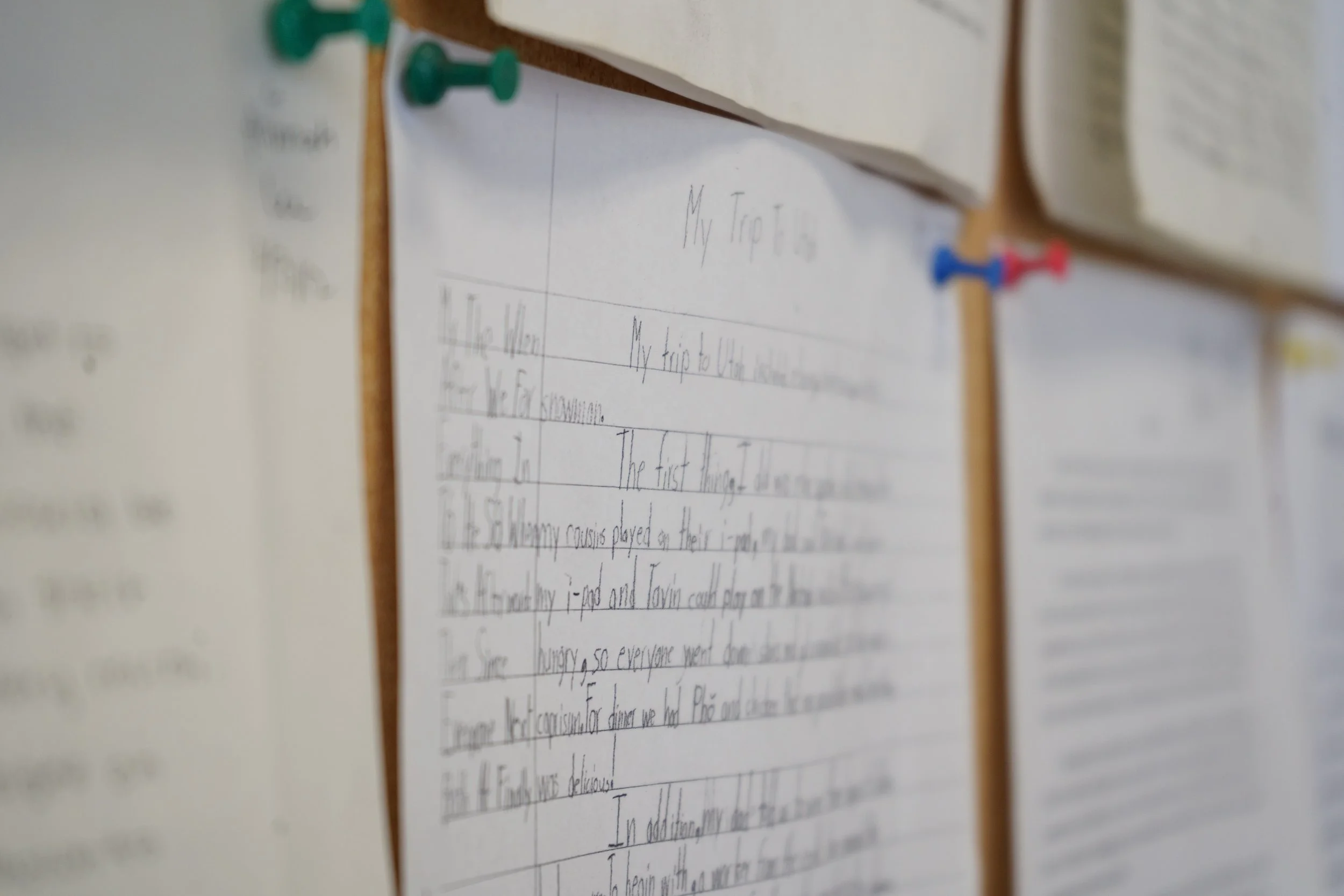
Our Writing class is our longest-running and most popular class! Every week, students continue developing confident writing and stronger techniques, and they take home organized, structured, and descriptive essays that they can be proud of.
Fully Master The Four Main Essay Types Used from Elementary School to College.
Students learn how to write narrative, opinion, informational, and descriptive essays with clear wording, logical details, and confident planning. They also learn story structure and idea development to bring home creative and exciting writing pieces!
Gain Paragraph, Grammar, and Vocabulary Skills with Weekly Practice and Teacher Guidance.
With our ACE teachers’ careful guidance, Acers learn how to write strong paragraphs with perfect grammar, clear topic sentences, and supporting details. Each lesson, Acers also discover stronger vocabulary and new sentence structures to write with accuracy, clarity, and depth.
Practice Writing with Feedback and Learn to Make Mistakes and Grow Gracefully!
Students read examples, learn writing strategies, and complete guided writing assignments and essays during class. Our diligent writing teacher reviews each student’s work closely and provides feedback to help them revise and improve their writing. We strongly believe in second drafts!
Mrs. Kiwas - Writing Instructor
Mrs. Kiwas has been working closely with Ace Academy for over 13 years! As an accomplished writing tutor, trusted by many Cypress parents, she has helped Acers grow their writing senses and voices with hard work, focus, and pride.


Summer : To Be Announced Soon!
Fall + Spring : Fridays
Speech, Debate, and Newsletter
The Power of Logic in Speaking and Writing
Recommended Grades : 3rd - 6th Grade
Program Format
Journalism teaches students to research facts and verify information.
Debate teaches students to analyze arguments and think logically.
Speech teaches students to present ideas clearly and confidently.
Every week in Speech, Debate, and Journalism, Acers practice their thinking skills by rotating between activities such as research writing, debates, and speeches. Our students write about their highest-quality work in the ACE Newsletter to showcase their research and logic.
Contribute to The ACE Newsletter and Share with Family and Friends Up to Three Times a Year.
Every semester, our Elementary Acers work hard to share important ideas, current events, and student perspectives in the ACE Newsletter. They learn how journalists research stories, verify information, and write clearly for an audience.
Acers will also master media literacy by learning how to evaluate sources, recognize bias, and distinguish between reliable information and misinformation. By examining real news articles and media coverage, Acers develop the skills to think critically about the information they read and hear in everyday life.
Learn Critical Thinking through Debate and Logic, Skills that Teach Clarity and Focus in Writing and Speech.
Students learn how to analyze arguments, support their ideas with evidence, and respectfully respond to opposing viewpoints. Acers participate in guided debates and discussions about important issues and current events, practicing logical reasoning and the confidence to present their ideas clearly. Debates are also baked into our ACE Newsletter, giving a chance to Acers to write about their perspectives ono topics with clarity and a strong voice.
Practice Speech, Editorial Writing, and Public Expression that Sounds Professional and Deeply Informative.
Acers will also present their ideas through speeches and discussions, building confidence and clarity when speaking with the ACE Classroom. They also learn how to transform their speeches into written editorials for the class newsletter. By combining speech and writing, students learn how to clearly communicate their ideas, support them with facts, and share them with an audience.
We hope that the leadership, confidence, logic, and writing skills that our Elementary Acers develop through this class will serve them well in their future debate, speech, and other endeavors!
Ms. Rosanna - Debate Instructor
Ms. Rosanna has been published in the Anaheim Gazette, and studied Media, Culture, and Communications at New York University, where she was published even further.
“I remember when I was younger and struggled to share my ideas in a confident way. Building a strong, personal voice is so important in school and life. I hope that I can help Acers do just that in this class!”


Mock Math Olympiad
Visualizing Advanced Problem Solving with Confident Math Thinking
Recommended Grades: 2nd grade and up
Program Format
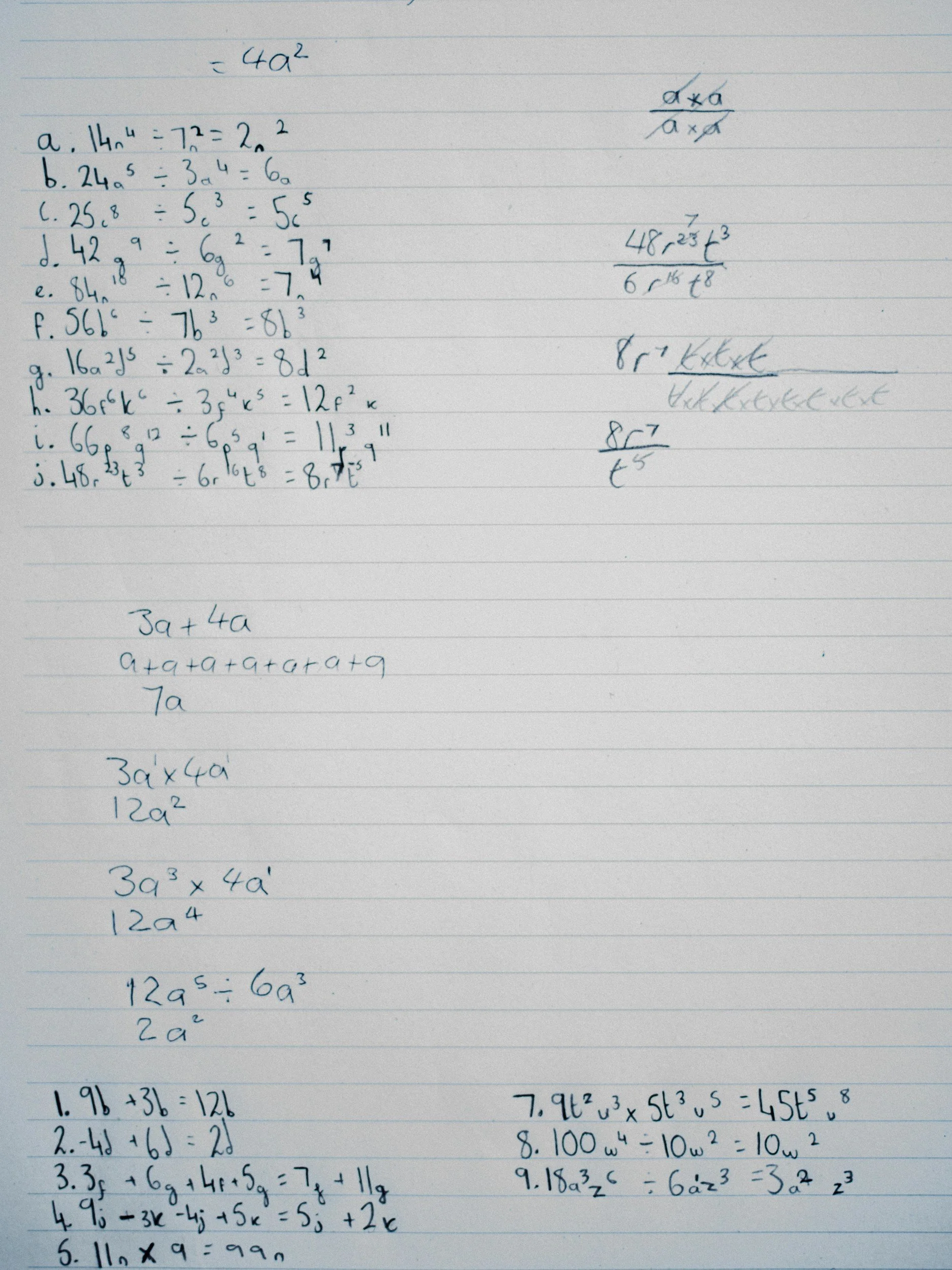
Our Mock Math Olympiad class is for students who enjoy challenging math or want to become more confident problem solvers. Every week, Acers solve difficult multi-step problems, learn new math strategies, and strengthen the algebra skills they need for advanced problem sets.
Race Through Olympiad-Style Problem Solving that Challenges Deeper Math and Number Sense.
Acers work on challenging Math Olympiad–style problems that use logic, patterns, and creative thinking. They practice breaking down difficult questions, trying different strategies, and explaining how they found their answers. In class, Acers solve problems individually and in teams, take on timed challenge rounds, and compare different solution methods together. These activities help Acers think quickly, work carefully, and become confident problem solvers.
Use Singapore Math and Visual Thinking to Think of Multi-Step Problems Creatively and Confidently.
We often use the Singapore Math approach, which helps Acers visualize problems using models and clear steps. This method builds visual understanding that helps Acers understand math and number relationships on a deep level that won’t be forgotten.
Strengthen Core Math Skills That Are Holding Back Math Potential.
Along with advanced problems, we make sure Acers are strong in essential math skills such as arithmetic, fractions, variables, and number sense. Strengthening these foundations helps Acers tackle harder problems more successfully.
Practice Teamwork and Communication to Solve Exciting and Complex Math Problems.
Acers solve problems individually and in teams, discuss different strategies, and learn from each other. Through regular practice and guidance, Acers build confidence, speed, and persistence when facing challenging math.
Mr. John - Mock Math Olympiad Instructor
Mr. John also teaches Coding and AP Calculus at Ace.
“I’ve always been a visual learner when it comes to math. It’s very satisfying to draw diagrams, charts, and tables on the board to solve problems. It’s been a joy doing that with my Mock Math Olympiad students, and to see them get better every week.”

Summer : To Be Announced Soon!
Fall + Spring : Fridays (3:00-4:00)
Coding Basics
Learning the Building Blocks of The Digital World
Recommended Grades : 2nd-6th Grade
Prerequisites and Materials : Personal Laptop or Computer (Optional)
Program Format
Our Coding Basics Program introduces young Acers to the exciting world of building with technology. Children today grow up surrounded by apps, games, and websites. In this class, students discover that these tools are not just things they use. They are things they can learn to create.
Learn Coding by Building Projects with Clear, Guided Programs and Software.
Young students learn coding best by building things themselves, not just watching or following instructions. Our program introduces coding through fun and interactive platforms designed specifically for beginners.
Students start with visual coding tools such as Scratch and similar block-based programming environments, where they can easily control characters, create animations, and design simple games by connecting coding blocks together. Acers experiment, solve problems, and bring their own ideas to life as they create their projects with teacher guidance, such as:
• simple games where characters move and respond to player input
• animated stories and creative scenes
• puzzles and interactive challenges
• small programs that control what happens on the screen
Grow From Beginner Coders to Creative Builders that Understand the Building Blocks to Coding Language.
As students progress, they begin to understand the core ideas behind programming such as instructions, patterns, loops, and logical decisions. Each project introduces new ideas while giving students time to experiment and improve their creations. By building their own games and projects, students naturally develop the confidence to think creatively and solve problems independently.
Acers who have a strong mastery on Scratch, Code.org, and other drag-and-drop software will progress onto real text-based coding software such as Visual Studio Code and Eclipse.
For students who develop a deeper interest in coding, Ace Academy also offers an advanced programming and coding class, where older students can continue learning real programming languages such as Python.
Discover how coding can help your child become a confident creator, problem solver, and explorer in the digital world.
Mr. John - Coding Instructor
Mr. John has 6 years of experience creating code programs for the video game and phone application sectors.
“Knowing code makes me feel very knowledgeable when I’m online. It’s also really satisfying to make programs that I find interesting or that I use for my daily life. I can’t overstate how useful coding really is. It is always exciting to see a student run their program for the first time and be proud of it.”


ACE Art Studio
A Place for Creativity to Bloom
Recommended Grades : All Grades!
Prerequisites and Materials : All Levels Welcome — Materials Provided by ACE
Program Format
Our ACE Art Studio is a joyful space where creativity, curiosity, and imagination come to life! At Ace Academy, we believe that art helps children express their ideas, explore the world around them, and grow into thoughtful, creative individuals.
Acers work with our artist instructor to learn the basics of drawing, painting, watercolor, and sculpting. They’ll practice using color, shape, and space to make their ideas come alive. Each project is designed to help students think creatively while improving their technique, experimenting with a wide variety of artistic styles and materials, and learning about artists, cultures, and ideas from around the world. Every semester, students build a colorful and exciting art portfolio they can proudly take home.
Explore Art from Around the World and Imitate with a Personal Artistic Voice.
Art is a wonderful way for students to learn about cultures, traditions, and ideas from around the globe. Throughout the year, students create projects inspired by different artists and art styles. For example, students might:
Create bright patterned animals inspired by Australian Aboriginal dot art
Design colorful masks influenced by African tribal art
Paint landscapes inspired by Claude Monet’s impressionist style
Build simple sculptures inspired by modern artists and recycled materials
Learn Artistic Techniques and Skills to Make Art that Feels Professional and Real.
Students practice important art skills such as drawing, painting, shapes, color mixing, shading, and design. They learn how to use materials like watercolor, oil pastels, colored pencils, and clay while developing their own artistic style.
Each class includes guided projects where students explore new materials and creative ideas. Students might paint a watercolor sunset, design a patterned animal drawing, create a collage using cut paper, or build a small sculpture.
Our teacher guidance helps students bring their vision to life step-by-step while also encouraging them to add their own creative touches with confidence. We believe every child has a creative spark, and our goal is to help each student discover it, nurture it, and shine!
Ms. Rosanna — Art Instructor
Ms. Rosanna is currently learning to merge art with the digital communications world in her Graduate studies at CSUF. She is regularly featured in Orange County art exhibitions and museums.
“Making art has brought so much joy and many opportunities into my life! It’s amazing to get to share my passion: the history, culture, and diverse world of art, to ACE students at our studio. I love seeing them try new styles and learn more about themselves through exploring art in every way.”

ACE Korean Class
Explore Korean Language And Culture Every Week
Recommended Grades : 2nd-6th Grade
Prerequisites and Materials : ACE
Program Format
Many of our Acers grow up hearing Korean at home, but may not always feel confident speaking, reading, or writing it. Our Korean class is designed to help students reconnect with the language in a natural and enjoyable way. Through simple conversation, reading practice, and cultural activities, Acers build the confidence to understand, speak, and use Korean in everyday situations.
Our goal is simple: help students use Korean comfortably and proudly while strengthening their connection to Korean culture.
Speaking First: Practice Korean Conversation
Our Korean class has a strict rule: Korean speaking only! Each class includes guided conversation practice so Acers become comfortable speaking in Korean with their teacher and classmates.
Students practice:
greetings and polite expressions
introducing themselves and asking simple questions
talking about school, family, and daily life
listening and responding naturally in Korean
This helps students move from just understanding Korean to actively using it.
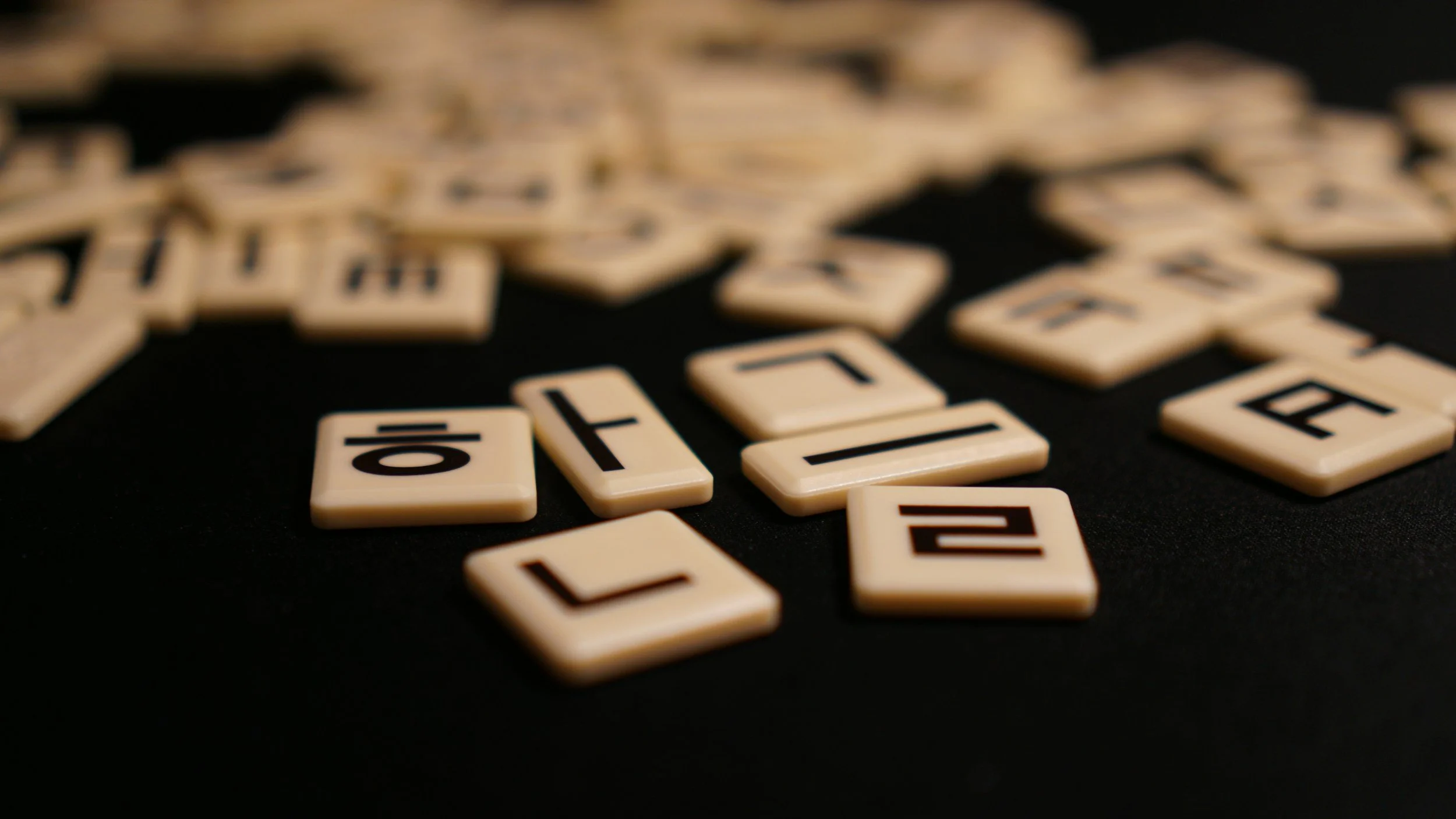
Reading and Writing Hangul Every Week
Acers strengthen their foundations in Hangul pronunciation, proper spelling, and vocabulary.
We also explore Korean culture so students see how language connects to traditions and everyday life. Activities may include:
learning simple Korean songs or rhymes
exploring holidays and traditions such as Seollal and Chuseok
short readings or stories about and from Korean culture
Individual Classes For Every Level
We offer Beginner, Intermediate, and Advanced Levels that are one hour long each. Our Acers’ levels range anywhere from saying simple sentences only, to reading, speaking & writing at a fluent level.
Contact Us Today for a Level Evaluation and Free Consultation with our Korean teacher!
Mr. C — ACE Korean Teacher
Mr. C has been teaching Korean at churches and schools for 15 years. As an immigrant from South Korea, he is knowledgeable and excited to share his culture and authentic language with Acers!


ACE Chess Club
Diving Deeper Into The World’s Oldest Strategy Test
Recommended Grades : All Grades
Program Format
Our Chess Club invites Acers to step into one of the world’s most fascinating strategy games. At Ace Academy, we don’t just teach students how the pieces move. We show them how deep, creative, and exciting chess can be. Each week, Acers explore new strategies, solve challenging puzzles, and play thoughtful games with teacher supervision that strengthen focus, patience, and critical thinking.
Beyond the Basics: Understanding the Strategy of Chess
In Chess Club, Acers learn far more than the basic rules. We teach Acers to copy how experienced players think several moves ahead and plan their games with purpose. We study world-renowned introductory chess books by authors such as Irving Chernev, Levy Rozman, Jeremy Silman, and Yasser Seirawan.
Students explore ideas such as:
how strong openings set the stage for the entire game
how to control the center of the board
how pieces work together to create powerful attacks
how to defend positions and avoid common traps
These concepts help students see that chess is not just about individual moves, but about long-term strategy and careful planning.
Chess Puzzles and Tactical Thinking Every Week
Each week, Acers solve engaging chess puzzles that reveal the hidden patterns within the game. Students learn classic tactics such as forks, pins, discovered attacks, and checkmate patterns.
These puzzles challenge students to slow down, think deeply, and find clever solutions — helping them develop the analytical thinking skills that chess is famous for.
Practice Games Every Week With Classmates For Friendly, Guided Competition
Acers put their new strategies into action through friendly games with classmates. Our instructor helps students reflect on their games, pointing out strong ideas and opportunities for improvement.
ACE also holds chess tournaments with awards every year. Through these games, Acers learn not only how to win gracefully, but also how to learn from every match.
Mr. Dassel — Chess Instructor
Mr. Dassel played on the Chess Club of New York University, where he competed in tournaments at the Chess Forum of Lower Manhattan.
“Chess really comes to life when you first start learning openings, tactics, and end-game strategies. I hope that our students can feel the excitement of those moments when the chess board opens up beyond basic, repetitive moves into traps, sequences, and connections that are more brilliant and creative.